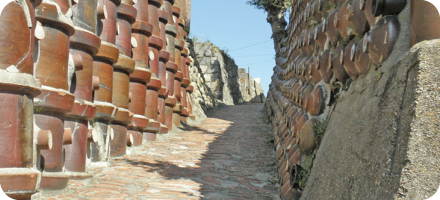




A path on a low hill.
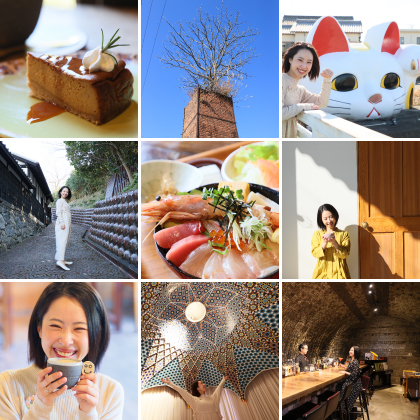
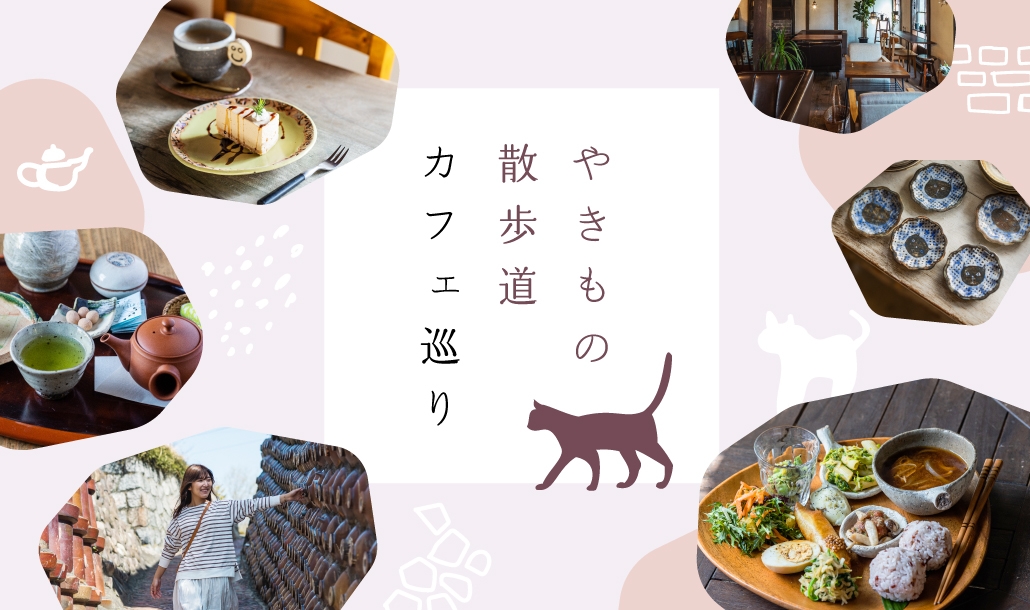
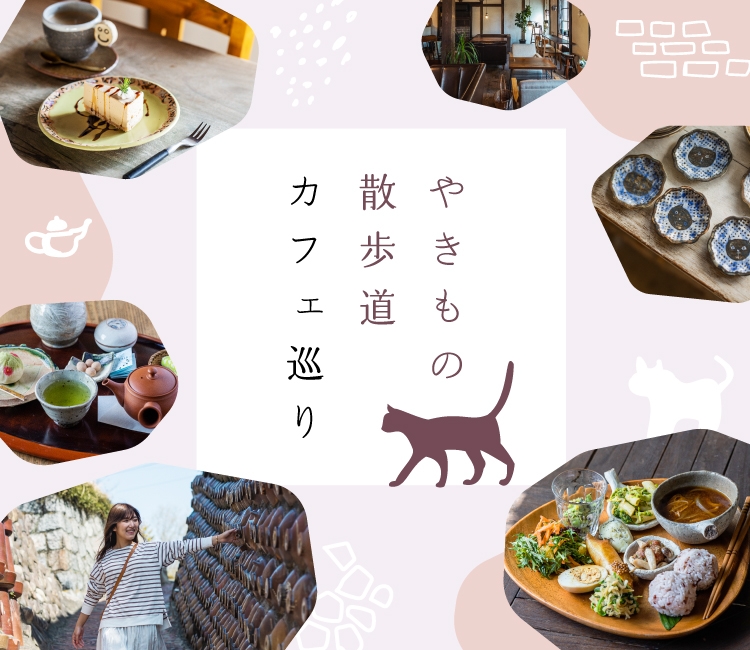
Course A (1.6 km) and course B (4 km) are available, offering evocative scenery of pottery workshops and brick chimneys.
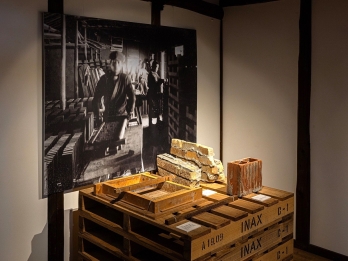
Clay pipes from the Meiji period (1868–1912) and clay shochu alcohol pots from the early Showa period (1926–1945) support the walls of the hill, while baking stands used when firing the pipes are embedded into the ground to provide traction, giving one a glimpse the environment of people from those times as well as people-friendly knowledge and ingenuity.


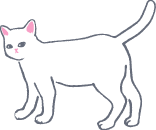
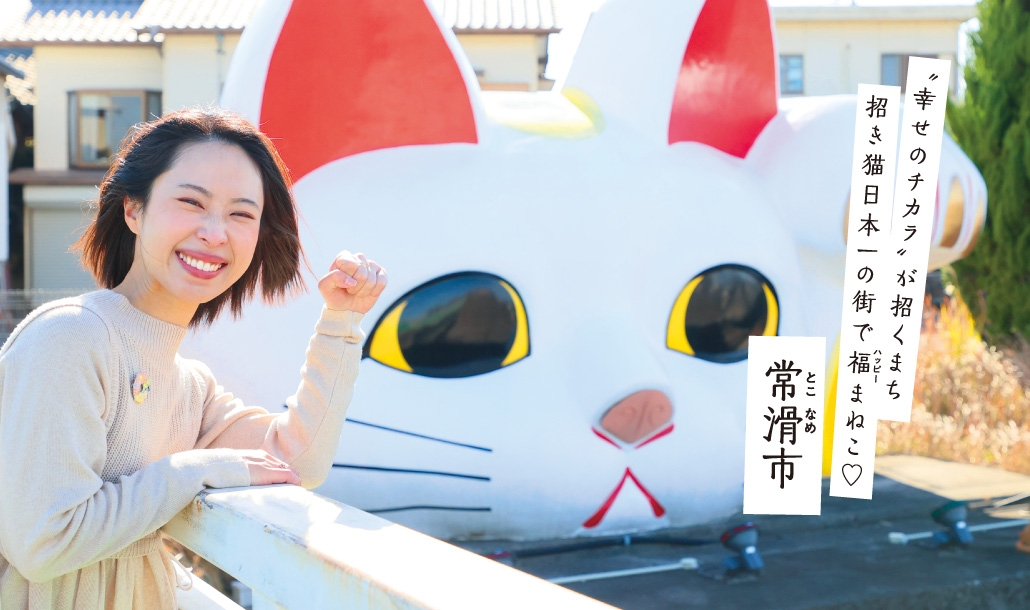
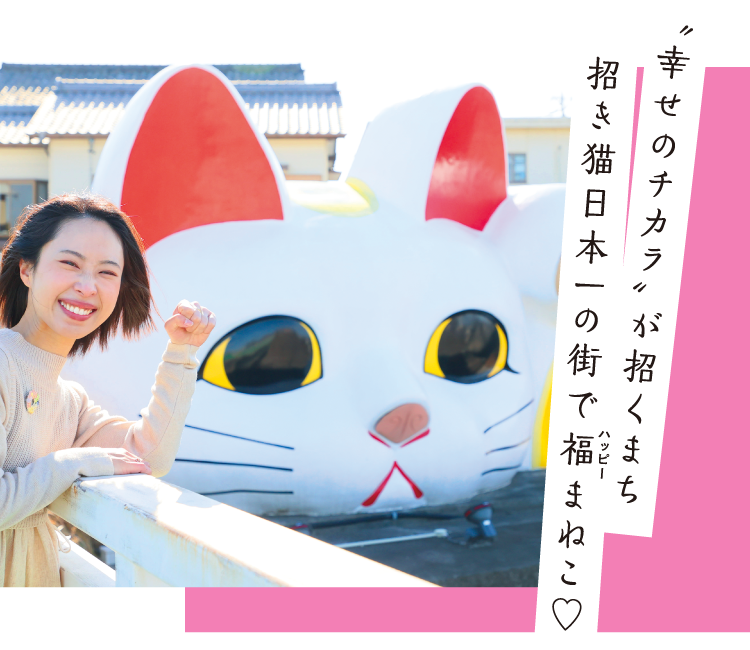
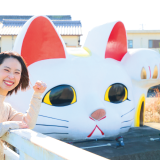
This impressive, giant maneki neko is nicknamed Tokonyan.
Height: 3.8 m. Width: 6.3 m. This Tokoname-style maneki neko forever watches over the town with its giant eyes.
From the Edo period (1603–1868) to the Meiji period, the Takita family ran this shipping dealer. Tokoname has restored the family’s residence so that its history can be felt and has designated it a Tangible Cultural Property. Maritime history and other subjects are introduced here.


A distillery from the Edo period that introduces visitors to food culture.
Miso, soy sauce, sake and more are available for purchase. You can also enjoy a meal here. Groups of 15 or more may tour the factory.
A permanent exhibition dedicated to the founder of Sony and the 15th generation head of the Morita family, Akio Morita, is located within the building.
Erected in 1350, this castle became the property of the Saji clan and was eventually abandoned after warfare with Toyotomi Hideyoshi. Now known as Shiroyama Park, this locale affords a grand panorama of Ise Bay from atop the castle tower-shaped viewing platform.


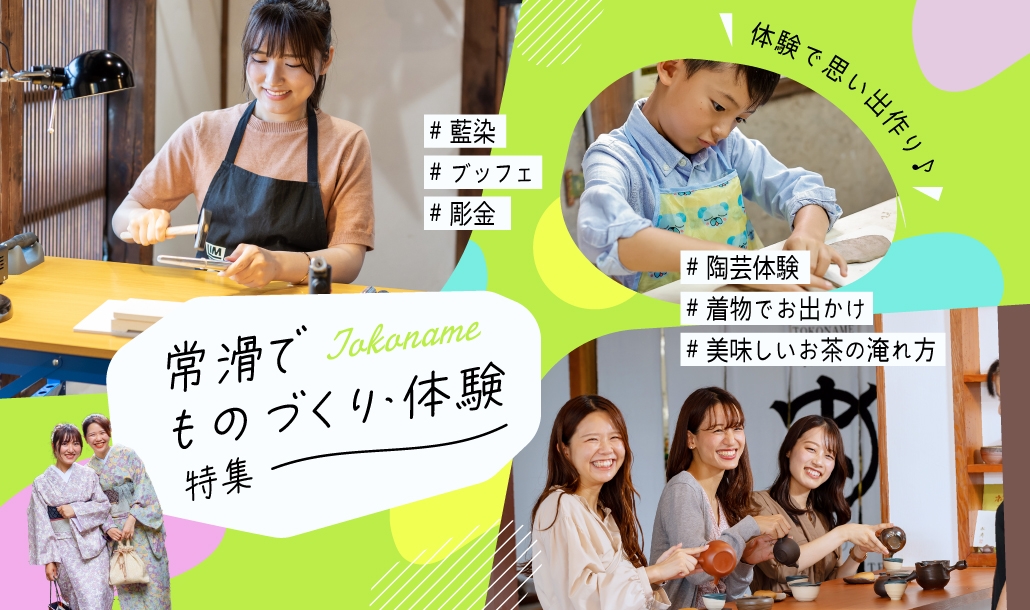
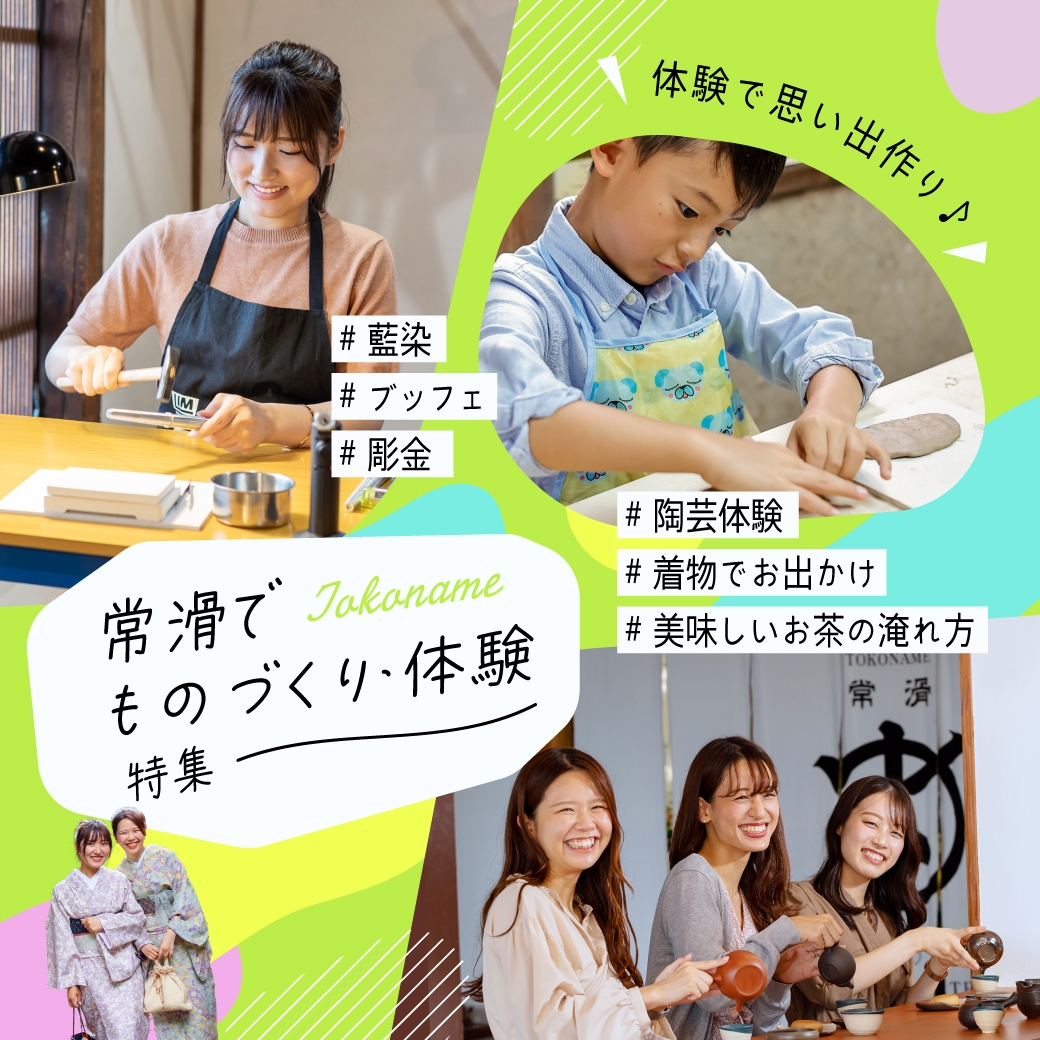
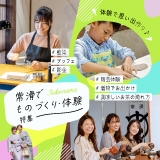
A large number of facilities and classrooms are available in Tokoname to experience pottery-making hands-on.
Why not make your very own, one-of-a-kind pottery piece?
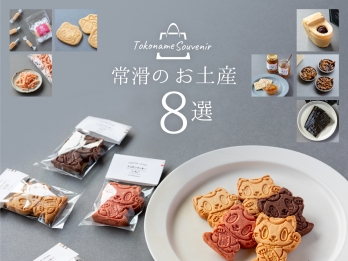
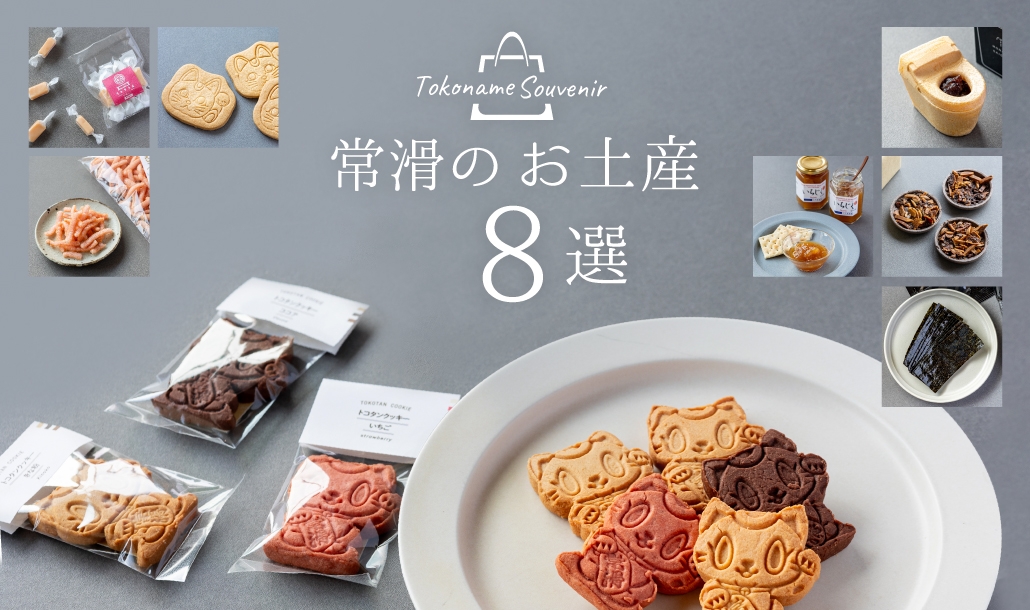
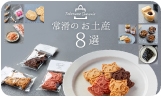
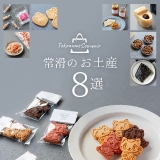
Many highly recommended souvenirs are available, including Tokoname ware tea utensils, maneki neko, ebi senbei (shrimp-flavored rice crackers), local sake and other snacks. Take something home along with your memories to commemorate your trip or as a gift for someone special.


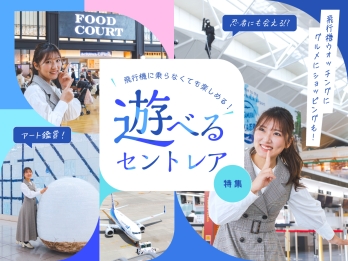
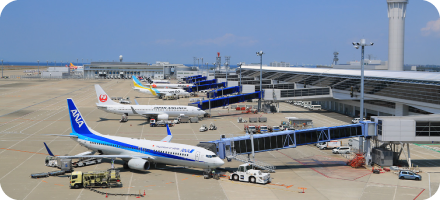
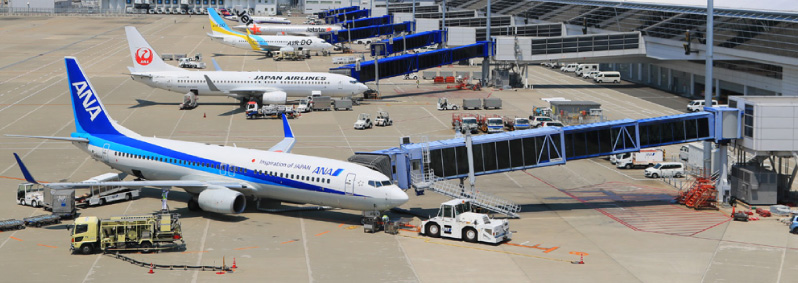
Connected to all cities in Japan and all countries in the world, see, eat and have fun at this airport overflowing with internationalism. Takeoffs and landings can be viewed from the observation deck while a wide variety of famous Aichi shops, restaurants offering flavors from all over the world, and fun events are available for your perusal.
Boat races can be viewed from seats in an entirely air-conditioned building. An amusement park and facilities to enjoy pottery are also available on the grounds.


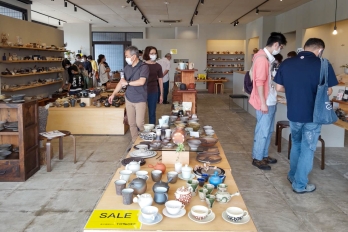
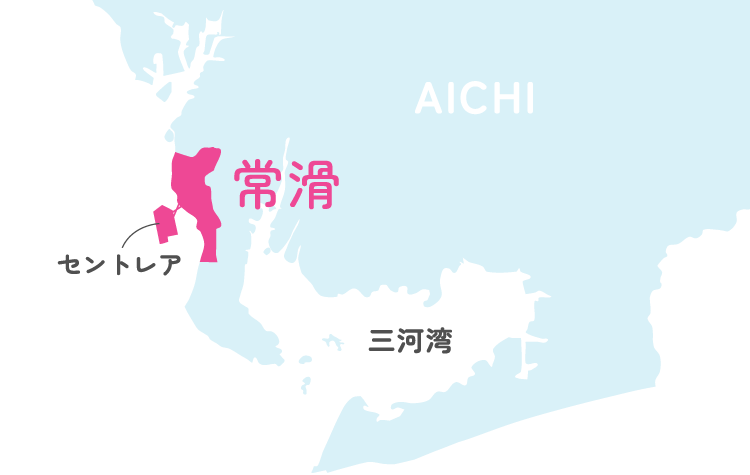
Approximately 20 minutes by car from Centrair Central Japan International Airport. Ceramall is an extensive shopping zone lined with specialty stores selling Tokoname ware. From Tokoname ware to everyday items, a wide variety of pottery can be found at excellent prices. Pottery classrooms and galleries are also available.
Ono Beach
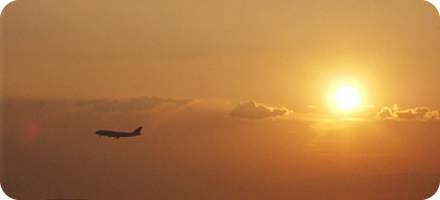
Said to be the oldest swimming beach in the world, this beach offers sunsets that will take your breath away. A family-oriented beach.
Sakai Beach
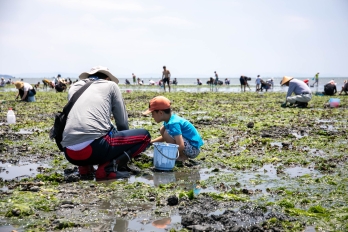
Famous as a beach in summer and for gathering clams in spring and summer. Fun for the whole family!

Rinku Beach
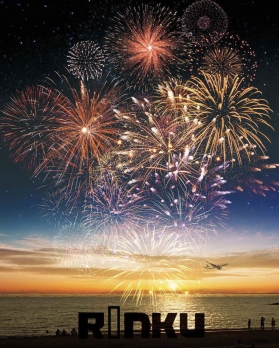
An artificial beach on the opposite shore from Centrair. Planes can be seen up close from the sand. Fishing and strolling are also enjoyable here.
Taya Coast
A wide variety of beach vegetation inhabits this precious, natural coast. Marine sports and the beauty of the setting sun can be enjoyed here.


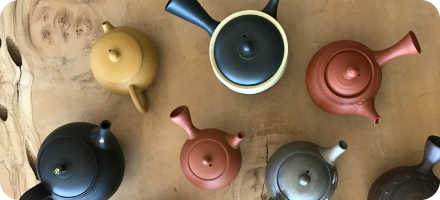
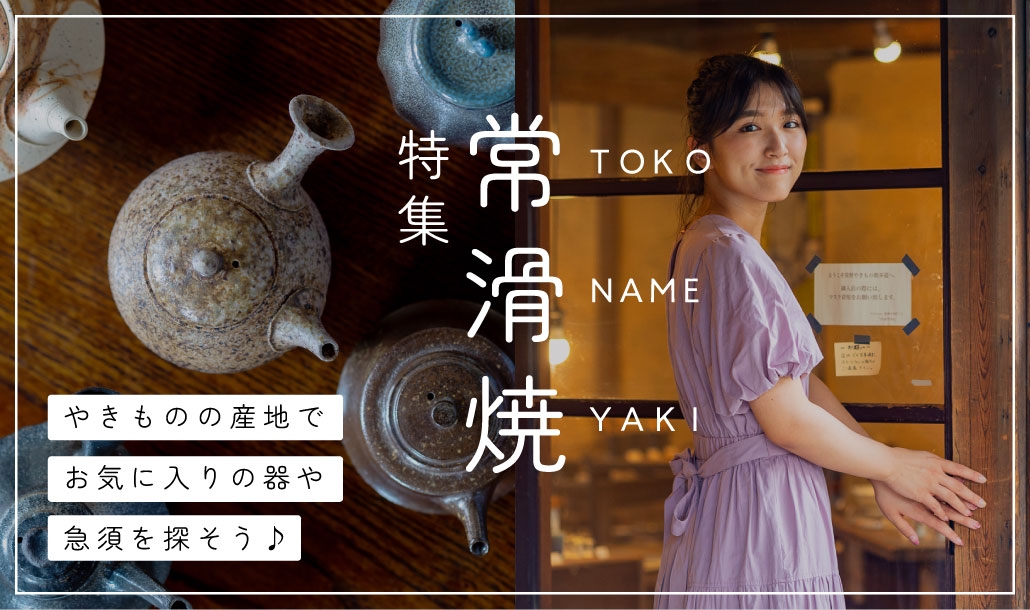
Amongst Tokoname ware tea utensils is the Tokoname teapot, which is vitrified without glazing. It is said that it absorbs harsh flavors, producing a delicious, mellow tea. You can tell them apart from other teapots by characteristics such as being lighter than they appear, their internal pottery tea strainers, their excellent pouring qualities, and the ease with which they can be held.
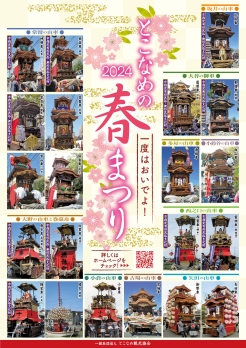
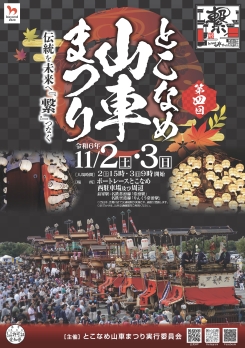
A vast market where all the sellers and makers of Tokoname ware gather. Held every year by Boat Race Tokoname and Ceramall. There is a fireworks display on the Saturday of the event.